
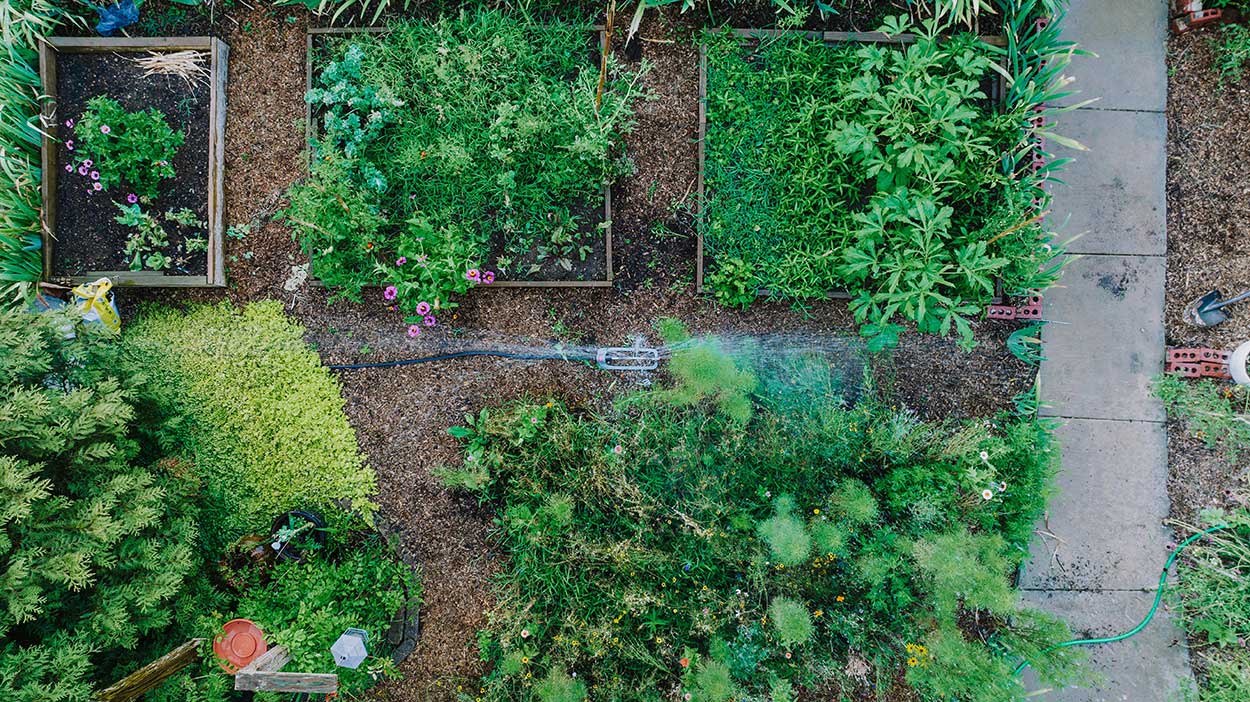
One of the valuable activities is gardening, which is deeply soothing and productive. You can get fresh vegetables, fruits, and beautiful flowers in your garden by spending just a little time with soil and seeds. Gardening makes a connection to nature. Anyone interested in an organic lifestyle and holistic green living will find that gardening is a shift towards healthier, more sustainable everyday choices.
There are numerous types of plants, methods, equipment, and opinions that everyone should know before starting a plantation. In this quick guide, you will learn about the types of gardening, what is easier to grow, and how to get started in a stress-free way.
Gardening and the Natural Living Lifestyle
Natural living demands that you make choices that let you experience nature while avoiding artificial things and high-stress situations. The practice of gardening matches exactly with this philosophical approach. The process of cultivating your own food plants makes you more sensitive to seasonal patterns and weather conditions, as well as to the work that goes into preparing your meals. You develop an appreciation for simple joys, which include the earthy smell of fresh soil and the taste of tomatoes that you grow yourself.
Beyond food, gardening also supports mental and physical health. The practice helps people reduce their stress levels while performing light physical activities, giving their brains time to rest from digital distractions and background noise. People start gardening for practical reasons, but they stay with it because it becomes a calming daily practice.
Understanding the Main Types of Gardening
There is a popular belief that gardening requires a big yard. Gardening comes in many forms, and one will fit your space and lifestyle perfectly.
Container Gardening: (The Easiest Way to Start)
Container gardening is a smart way to start for beginners. In this technique, plants can be grown in containers, buckets, and pots with a bottom drainage hole. The setup could be done on rooftops, balconies, or in a window facing the sun.
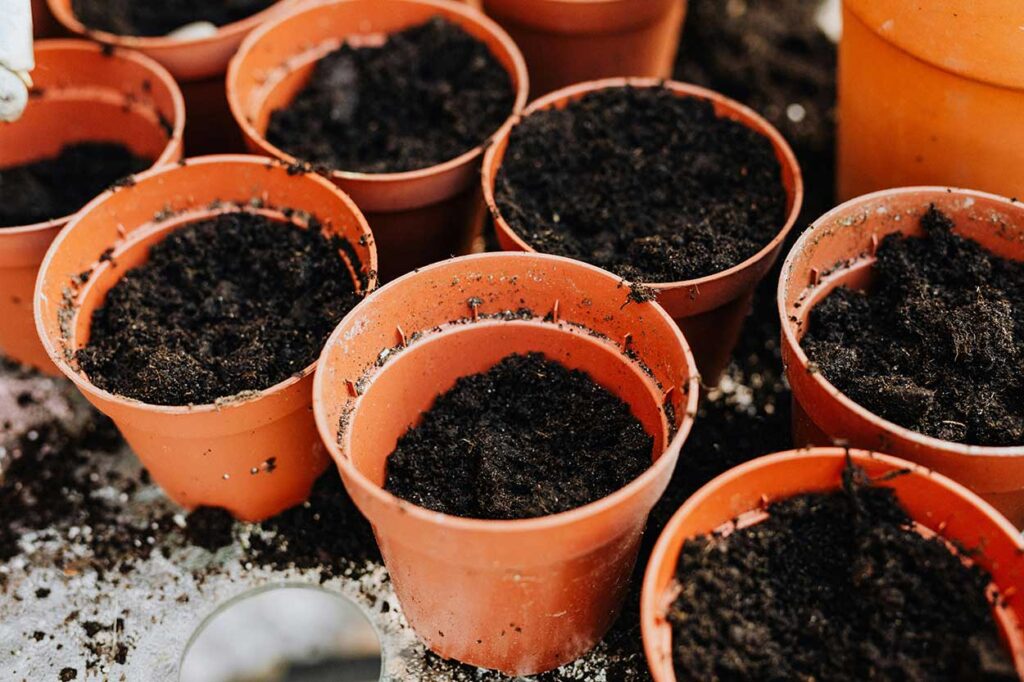
Container gardening is ideal for newcomers because it is easy to control, including soil, water, and plant placement. For instance, if sunlight is not reaching your plant, you can relocate it to a different spot. If the soil is infertile and depleted, you can replace it with nutrient-rich soil. You can grow different herbs of your choice, bell peppers, tomatoes, lettuce, and different flowers in containers. If you decorate these containers, they will liven up your balcony with different shades of greenery and colorful flowers.
In-Ground Gardening: (Traditional Approach)
If you have an outdoor space in your home, in-ground gardening lets you plant directly into the soil. You can nurture a large number of plants in your expanded land. The earthy soil usually holds better moisture and stays cooler in hot weather, which can be useful for many plants.
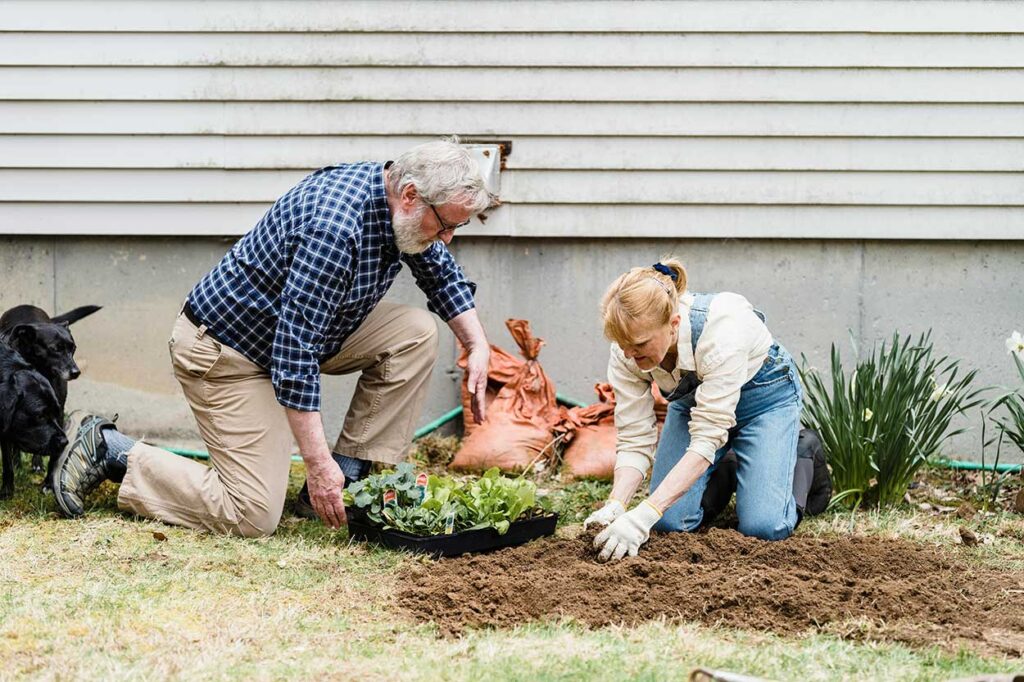
However, for beginners, it is wise to start small. Select a limited section of your yard to study plant behavior because you should not attempt to control your entire outdoor area. The system enables users to create new content at different points in time.
Raised Bed Gardening: ( Modern approach)
Raised bed gardening is a method of growing plants in wooden or metal frames filled with soil and placed above the ground. This approach has become extremely popular because it combines the best parts of container and in-ground gardening.
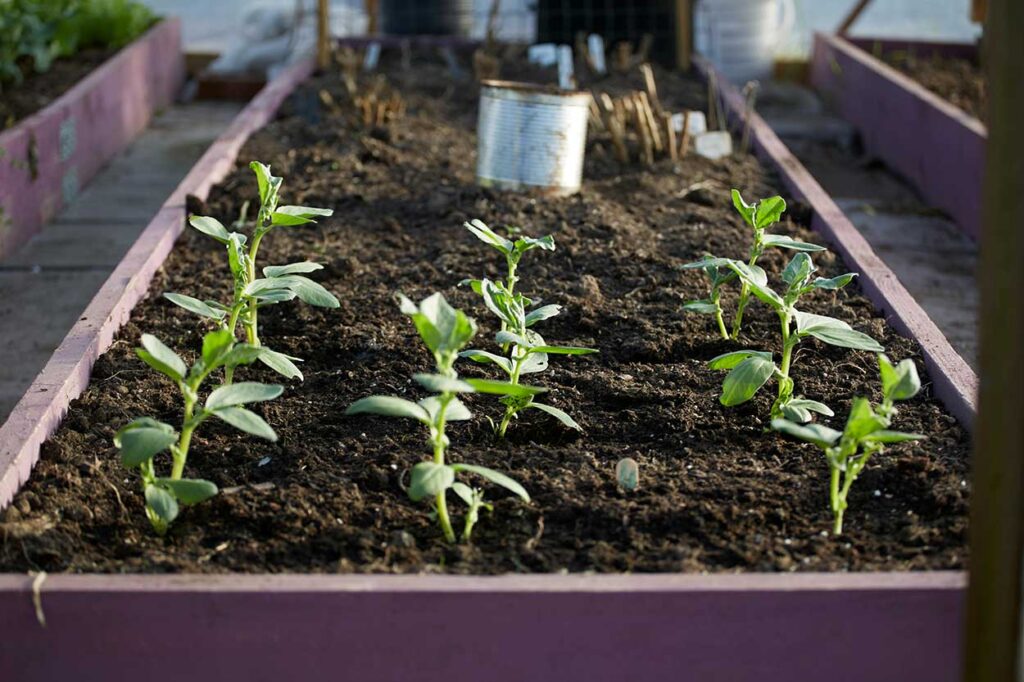
The system improves soil quality management, reduces weed growth, and lets you reach your plants without bending. The design of raised beds creates an organized space that beginners find easy to maintain and that appears clean.
Indoor and Vertical Gardening
People with limited outdoor space can use indoor and vertical gardening to grow plants. The indoor gardening space provides an ideal environment for herb cultivation and the growth of microgreens and small plants, as it receives both window and grow light. It lets the plants grow upwards by using walls or shelving, which is perfect for compact spaces.
What Is Easiest to Grow for Beginners?
Every first gardener often wonders what is easiest to grow? Follow these beginner-friendly options to boost your motivation towards gardening.
Easy-to-grow Herbs
The best orientation for gardening is Herbs. Herbs are essential ingredients for cooking and only need a small space to grow faster. Basil is very easy to grow in a small space and needs direct sunlight to survive. Mint can be grown easily in containers. For the best starting point, you can grow cilantro and parsley.
Herbs can thrive indoors and outdoors, making them a perfect choice for beginners to grow and explore a green lifestyle.
Vegetables for First-Time Gardeners
Grow your own organic vegetables at home. Lettuce and spinach grow rapidly if you take good care of them. Reddish is also one of the faster-growing vegetables, and an excellent choice for new gardeners. Moreover, zucchini and green beans can be produced with just a little effort. Tomatoes, including cherry tomatoes, can be grown easily in containers.
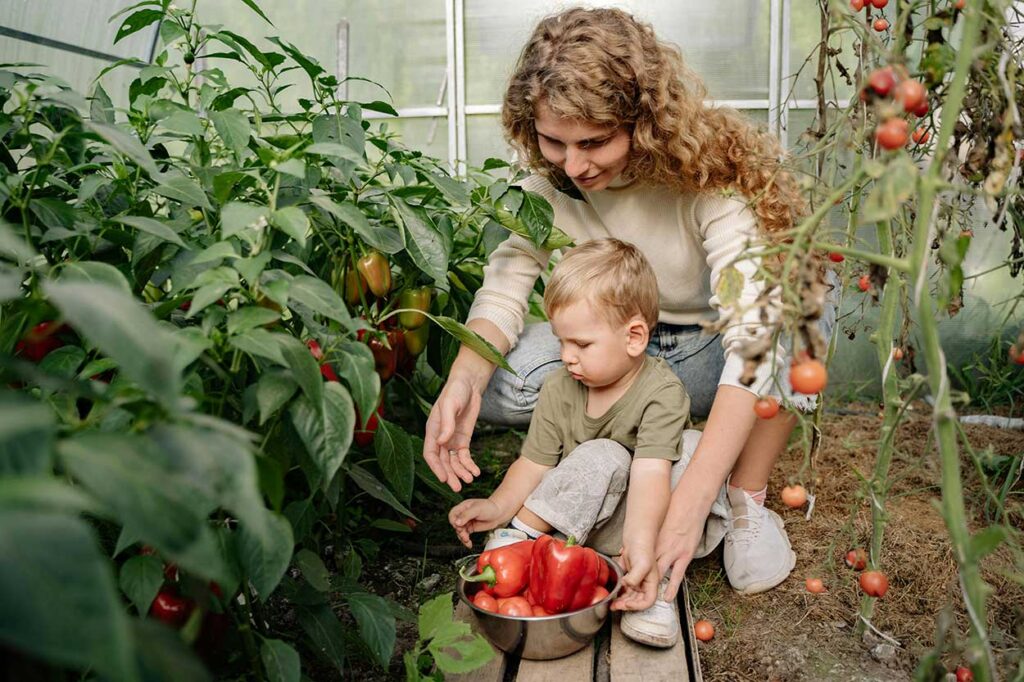
The vegetables need no special skills to grow, but they allow you to harvest actual homegrown food from your garden.
Flowers to Brighten Up Your Garden
Flowers not only brighten your space but also attract beneficial insects, bees, and butterflies. The easiest ones to grow are sunflowers, zinnias, and cosmos, which add color and scent to your garden and make your space more welcoming.
Essential Tips every Beginner should know.
Every plant depends on three major things: sunlight. Water and soil.
Every plant has different needs, like most herbs and vegetables, which need six to eight hours of sunlight each day. Too much water can weaken plants, and too little can dry them out. The soil should be well-moistened, as it is the foundation of flourishing gardening. Always use a good-quality potting mix or compost-rich soil rather than poor dirt.
There is no need to purchase too many tools at the beginning. You just need a few reasonable, eco-friendly pots, nutrient-rich soil, seeds, a hand shovel, a watering can, and small plants to get started.
How to avoid common mistakes?
The most common beginner failures in gardening happen when a beginner tries to do too much, too soon. Caring too much can also lead to failure; for instance, over-watering can soak the soil, not enough sunlight can kill the plants, and poor-quality soil can stunt growth. These are common mistakes almost every beginner has made. Gardening is a learning process. Even experienced gardeners lose plants sometimes. The key is to learn, to adjust, and to keep going.
Conclusion
You can begin your work without perfect conditions or any special knowledge about the subject. Start with basic plants that need minimal care because you want to learn gardening at your own pace. Your path to living a natural, healthy lifestyle begins when you start growing your first herbs under a window or create a small elevated garden outside.
Every garden begins its development through the decision to plant something that creates conditions for growth, regardless of garden dimensions.